Financial wellness: Loans & mental health
Financial Wellness: Loans & Mental Health
Financial wellness plays a central role in emotional and psychological wellbeing. As loans become a common part of modern financial life in India, many individuals experience stress, anxiety or emotional pressure related to repayment, credit scores and rising financial commitments. Whether it is a home loan EMI, a personal loan taken during an emergency, or multiple loan products managed at once, debt can influence how individuals feel, think and behave in their daily lives.
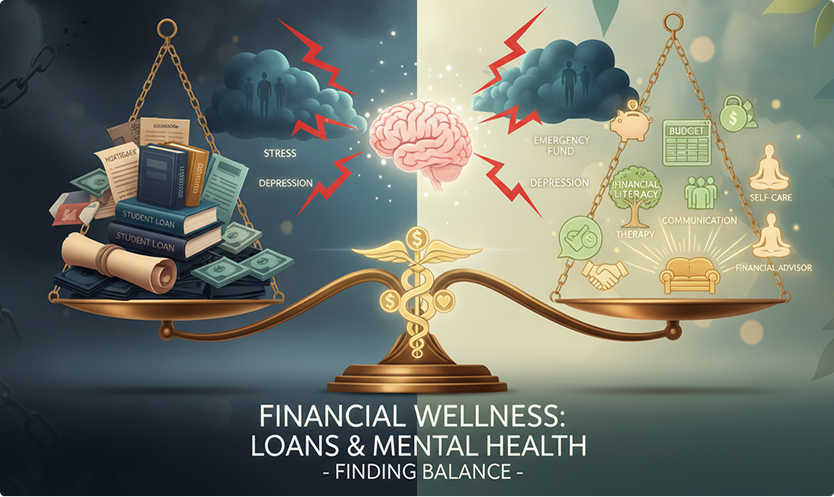
The relationship between loans and mental health is neither fully negative nor entirely positive. Borrowing enables progress such as home ownership, higher education, or business expansion, but repayment obligations require planning and stability. When borrowing is not aligned with financial capacity or when unexpected circumstances disrupt repayment, mental strain increases. In contrast, responsible borrowing supported by financial discipline can enhance confidence and overall financial wellness.
Understanding this connection is essential for maintaining mental balance while managing financial responsibilities.
What Is Financial Wellness?
Financial wellness refers to a state where individuals feel secure, stable and in control of their day-to-day financial life. It includes:
- Ability to meet monthly expenses and Loan EMI comfortably
- Confidence in handling emergencies
- Freedom from excessive financial stress
- Clarity in financial goals
- Healthy relationship with borrowing
Financial wellness is not only about high income or wealth, it is about balancing commitments in a sustainable way.
How Loans Influence Emotional and Mental Wellbeing
Loans are tools that allow people to achieve goals, but they also introduce structured obligations.
Positive influence:
- Enable home ownership, education and business opportunities
- Create long-term financial growth when used wisely
- Build creditworthiness and financial confidence
Negative influence:
- Repayment pressure when income fluctuates
- Anxiety caused by EMI deadlines and penalties
- Fear of affecting credit score due to late payments
- Uncertainty during job loss or emergencies
Borrowing alone is not harmful; misaligned borrowing and repayment stress impact mental health.
Common Sources of Loan-Related Stress
- High EMI Burden: When EMIs consume a large portion of income, individuals feel constant pressure to meet monthly obligations.
- Multiple Loans at the Same Time: Personal loans, credit card dues, and EMIs together can create a sense of overload.
- Income Uncertainty: Delayed salary, business slowdowns, or contract-based employment can disrupt repayment, increasing anxiety.
- Lack of Emergency Fund: Without savings, even small disruptions lead to missed EMIs and financial panic.
- Overdependence on Credit: Using loans for routine expenses makes repayment unsustainable, affecting both finances and emotional wellbeing.
- Social Pressure: In India, financial struggles are often kept private, increasing emotional strain.
Early Warning Signs of Financial Stress
Debt-related stress often appears through subtle emotional and behavioural signals:
- Sleeplessness due to worry about EMIs
- Avoiding calls from unknown numbers (fear of reminders)
- Constant checking of bank balance
- Feeling overwhelmed by monthly expenses
- Irritability and loss of focus
- Anxiety when thinking about the future
Identifying these signs early helps individuals regain control before the stress escalates.
How Loan EMI Affects Daily Mental Health
A loan EMI is a fixed obligation each month. For individuals with steady income and planned budgets, EMIs integrate easily into financial life. For those with unstable income or inadequate planning, EMIs become a continuous source of worry.
Effects of EMI pressure:
- Reduced sense of financial freedom
- Increased fear of unexpected expenses
- Emotional strain during temporary income disruptions
- Hesitation to make long-term financial commitments
- Lower confidence in financial decision-making
When EMI payments align with financial capability, they feel manageable; when misaligned, they create long-term emotional fatigue.
Role of Responsible Borrowing in Reducing Anxiety
Responsible borrowing is one of the strongest protectors of financial wellness.
Key principles include:
- Borrowing only what is necessary
- Choosing Loan EMI that fits realistically within income
- Keeping EMI-to-income ratio at manageable levels
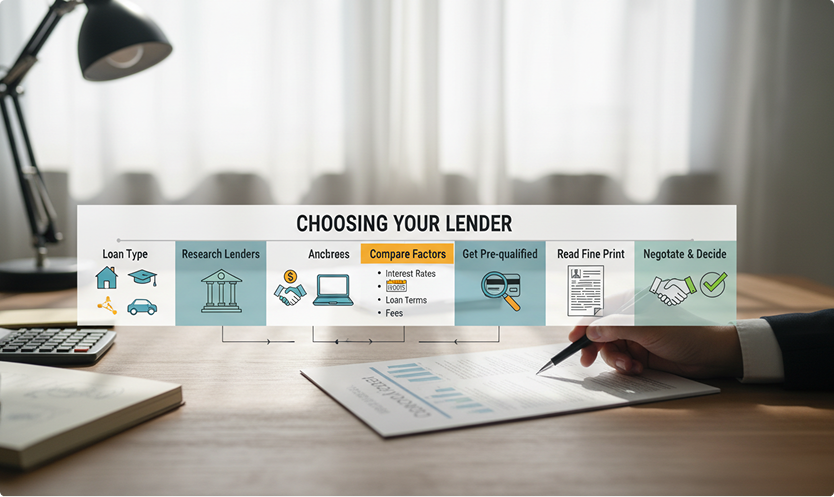
- Comparing lenders to avoid excess interest burden
- Maintaining a strong repayment history to avoid future borrowing difficulties
When borrowing decisions are made thoughtfully, loans become empowering instead of stressful.
Financial Planning Strategies That Support Mental Health
- Maintain an Emergency Fund: A reserve covering 3-6 months of expenses reduces fear of missed EMIs or income shocks (connects strongly with earlier article).
- Budget Realistically: Clear awareness of essential expenses ensures the loan commitment does not exceed capacity.
- Limit High-Cost Borrowing: Excessive personal loans or revolving credit card balances strain both finances and emotional wellbeing.
- Use Auto-Debit for EMI: This reduces the stress of remembering due dates and avoids late fees.
- Monitor Credit Health: Regularly checking credit score helps borrowers track repayment behaviour and detect issues early.
- Avoid Impulsive Borrowing: Personal loans taken without planning often become sources of long-term stress.
- Seek Loan Restructuring Early: During genuine hardship, restructuring or tenure extension may reduce EMI burden.
Support Systems: Family, Community and Counselling
Financial wellness is not only an individual responsibility, support systems matter.
Family & Social Support
Sharing financial challenges with trusted family members reduces emotional burden and may offer practical solutions.
Financial Counselling
Professional counselling can help individuals:
- Understand their debt
- Create repayment plans
- Address anxiety and financial fear
Digital Tools & Financial Education
Growing access to financial literacy in India empowers individuals to manage loans confidently.
Changing Attitudes Towards Debt and Mental Health
India is experiencing a cultural shift around debt and financial stress:
- Increasing awareness of mental health
- Wider use of personal loans and credit cards
- Greater openness to discussing financial anxiety
- Growth of fintech tools for budgeting and tracking EMIs
- Rising emphasis on responsible borrowing and credit score management
Younger borrowers especially recognise the importance of balancing financial growth with emotional wellbeing.
As borrowing becomes more common, financial wellness is now seen as part of overall mental wellness, not a separate conversation.
The Bottom Line
Loans can support financial progress, but they also introduce psychological responsibility. When borrowing aligns with income, planning and long-term goals, it enhances financial wellness. When repayments exceed comfort levels or financial disruptions occur, mental stress can rise sharply.
Building an emergency fund, budgeting realistically and maintaining a disciplined repayment track record helps protect both financial stability and emotional health. With thoughtful planning and responsible borrowing, loans can serve as constructive tools rather than sources of anxiety. As financial awareness continues to grow across India, the connection between mental health and borrowing is increasingly recognised, encouraging healthier financial decisions and long-term wellbeing.
FAQs
How does financial wellness affect mental health?
Financial wellness influences emotional security and daily stress levels. When finances are stable and predictable, individuals experience greater confidence and reduced anxiety. In contrast, irregular income, high EMI burden or debt pressure can lead to worry, loss of focus and emotional strain. Sound financial habits support stronger mental wellbeing over time.
How can I improve my financial health?
Financial health improves through disciplined budgeting, maintaining an emergency fund, reducing high-cost debt, paying EMIs on time and tracking expenses regularly. Building savings, avoiding impulsive borrowing and reviewing credit reports periodically also strengthen overall financial stability. Consistency in these practices forms the foundation of long-term financial wellbeing.
How do I reduce financial stress?
Financial stress can be reduced by creating a realistic budget, setting aside an emergency fund, limiting unnecessary borrowing and prioritising essential expenses. Automating loan EMI payments and planning for irregular costs provide better control. Seeking financial counselling or advice may also help individuals manage repayment challenges and regain stability.
How can financial difficulties affect mental health?
Financial challenges such as overdue EMIs, rising debt or unstable income can lead to anxiety, sleep disruption, reduced focus and emotional fatigue. Persistent financial strain may also affect decision-making and relationships. When financial commitments exceed repayment capacity, mental health often deteriorates, highlighting the importance of structured financial planning.